Why Tetris Still Works at 40 — A Look at the Blocks We Can’t Let Go
What is it about a forty-year-old game that just refuses to die? Not just survive—thrive. Tetris has sold over half a billion copies across every platform imaginable.
What is it about a forty-year-old game that just refuses to die? Not just survive—thrive. Tetris has sold over half a billion copies across every platform imaginable.
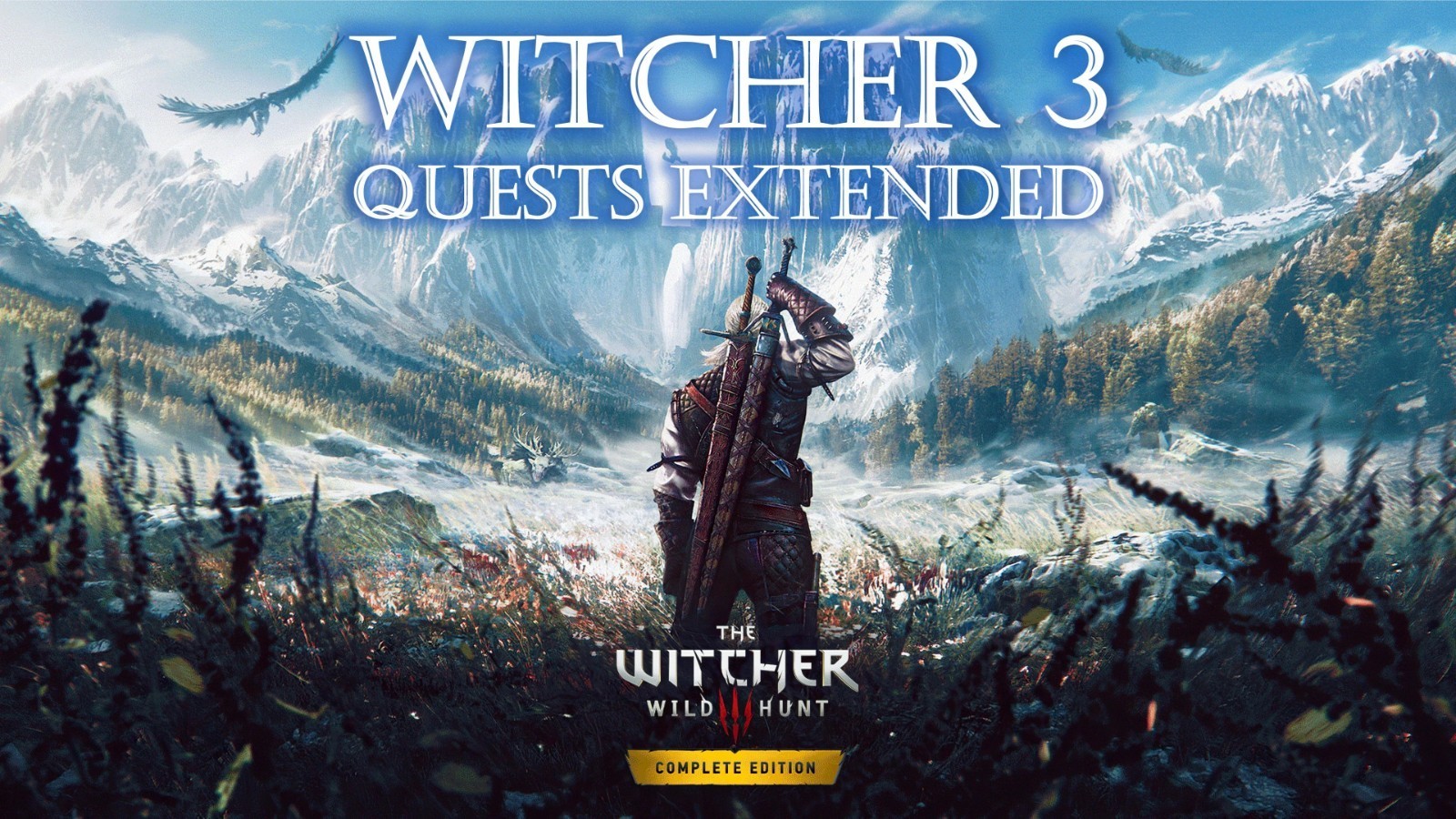
After extensive playthroughs of The Witcher 3, I thought I understood the game. I was wrong. The parts I had been skipping were the parts that mattered.
Super Mario 64 holds up because its levels are rooms, not playgrounds. That distinction is why every 3D platformer since 1996 has been chasing it and why most have fallen short.
Zelda: Breath of the Wild should have disappointed me. It was 2017, I had pre-ordered the Switch, and I was already composing my “Nintendo phoned it in” hot take in my head.
The over-the-shoulder camera in Resident Evil 4 was not an improvement. It was a revolution. Nobody at Capcom called it that, but it was.
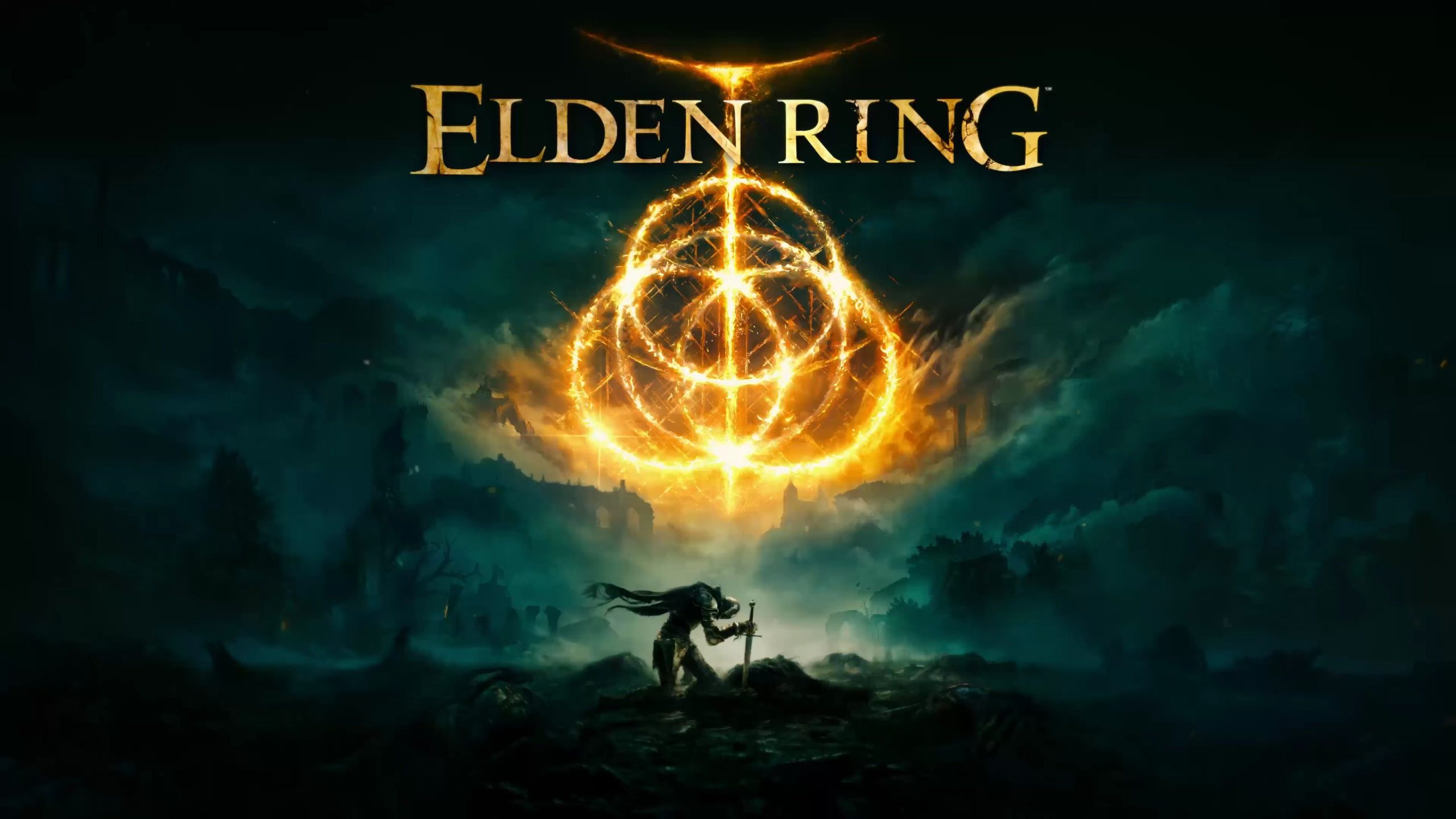
The first time you crest the hill leading out of the Stranded Graveyard and the Lands Between unfolds in front of you—that’s the moment Elden Ring wins.

Minecraft’s world generator can create quintillions of unique worlds—a number so large it’s hard to comprehend. But the number itself isn’t what matters.
The moment you realize Baldur’s Gate 3 operates on an entirely different design philosophy, you’re standing in the Druid Grove, deciding whether to kill a tiefling merchant.

I’ll admit something that might get me kicked out of certain gaming circles: I spent dozens of hours tracking machine override data in a spreadsheet. Not because I had to, but because Guerrilla Games buried so much complexity.
Plants vs. Zombies looks like a kids’ game. The sun economy proves otherwise. By the time a player understands why they lost, they’ve already decided to play again.