
PUBG’s Blue Zone Was the Real Innovation, Not the Battle Royale Genre
Every battle royale after PUBG added a gimmick. PUBG didn’t need any of that. The formula was there from the beginning: a circle, some loot, and the sound of footsteps behind you.
Every battle royale after PUBG added a gimmick. PUBG didn’t need any of that. The formula was there from the beginning: a circle, some loot, and the sound of footsteps behind you.
Plants vs. Zombies looks like a kids’ game. The sun economy proves otherwise. By the time a player understands why they lost, they’ve already decided to play again.

League of Legends is balanced for the top fraction of a percent of players. Everyone else plays a different game—and I know because I’ve lived it.

Look, I’m going to be honest with you—when I first saw Palworld’s trailer, my immediate reaction was “Nintendo’s lawyers are going to have a field day.” And they might still.
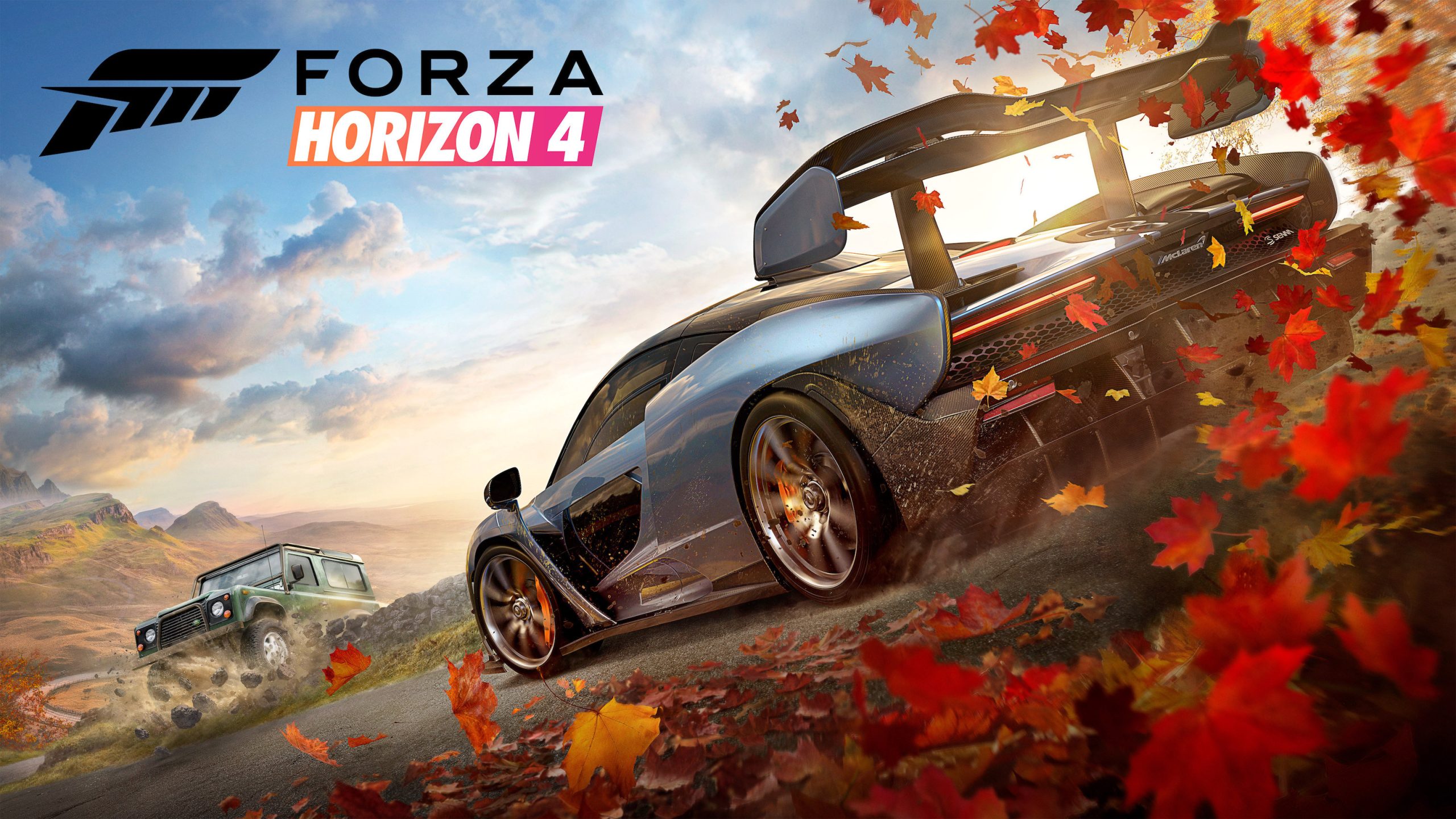
If you’ve spent any time with racing games over the past decade, you’ve probably noticed something: everybody tries to catch Forza Horizon, and nobody quite gets there.

There’s a particular hubris in thinking you can adapt Journey to the West into a video game. Not because the source material lacks gameable elements—far from it—but because the story has been adapted, reimagined, and reinterpreted across four centuries.
I remember when Hearthstone launched back in 2014. It was pitched as “Magic: The Gathering, but simpler.” Accessible. Digital-native. Something you could play in a browser without shuffling cardboard.
If you ask most Diablo players what went wrong with Diablo 3, they’ll point to the real-money auction house. And yeah, that was a disaster. But it wasn’t the root cause.

There’s a moment in Red Dead Redemption 2 that stuck with me long after I put down the controller. I was standing on a porch in Valentine, just watching. And the game was happening.

ARK almost broke me. Hundreds of hours in, I was still dying to the same dinosaur. Not some legendary apex predator. Not a boss I’d underestimated.