
The Call of Duty SBMM Debate: What the Data Actually Shows
Skill-based matchmaking in Call of Duty is the most hated feature in the franchise. It’s also the feature that keeps the game alive. The system works exactly as designed.
Skill-based matchmaking in Call of Duty is the most hated feature in the franchise. It’s also the feature that keeps the game alive. The system works exactly as designed.
Fifteen years after release, Left 4 Dead 2 still has more daily players than most games released last month. Nobody can fully explain why.
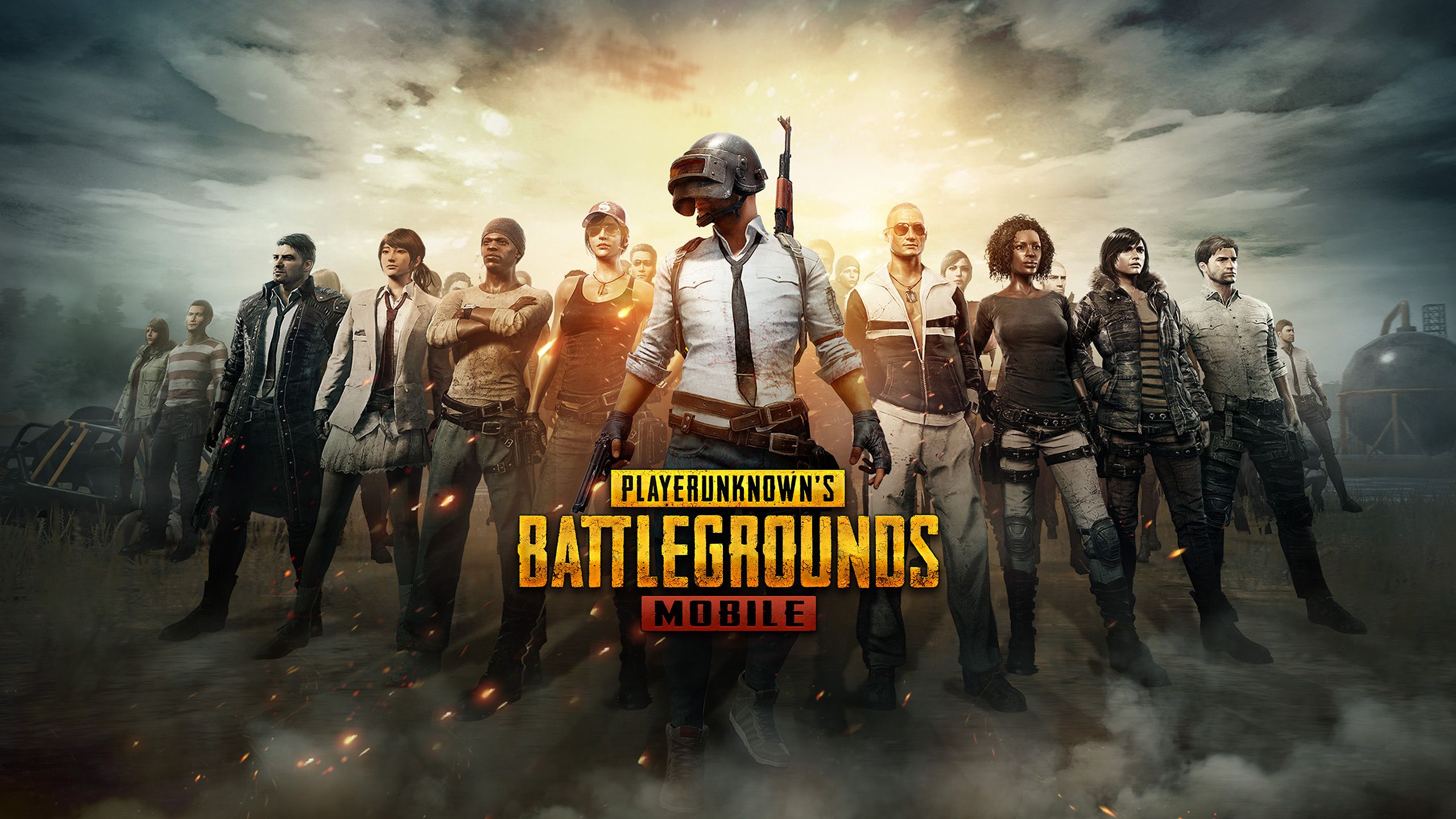
Every battle royale after PUBG added a gimmick. PUBG didn’t need any of that. The formula was there from the beginning: a circle, some loot, and the sound of footsteps behind you.
Plants vs. Zombies looks like a kids’ game. The sun economy proves otherwise. By the time a player understands why they lost, they’ve already decided to play again.

League of Legends is balanced for the top fraction of a percent of players. Everyone else plays a different game—and I know because I’ve lived it.

Look, I’m going to be honest with you—when I first saw Palworld’s trailer, my immediate reaction was “Nintendo’s lawyers are going to have a field day.” And they might still.

If you’ve spent any time with racing games over the past decade, you’ve probably noticed something: everybody tries to catch Forza Horizon, and nobody quite gets there.

There’s a particular hubris in thinking you can adapt Journey to the West into a video game. Not because the source material lacks gameable elements—far from it—but because the story has been adapted, reimagined, and reinterpreted across four centuries.
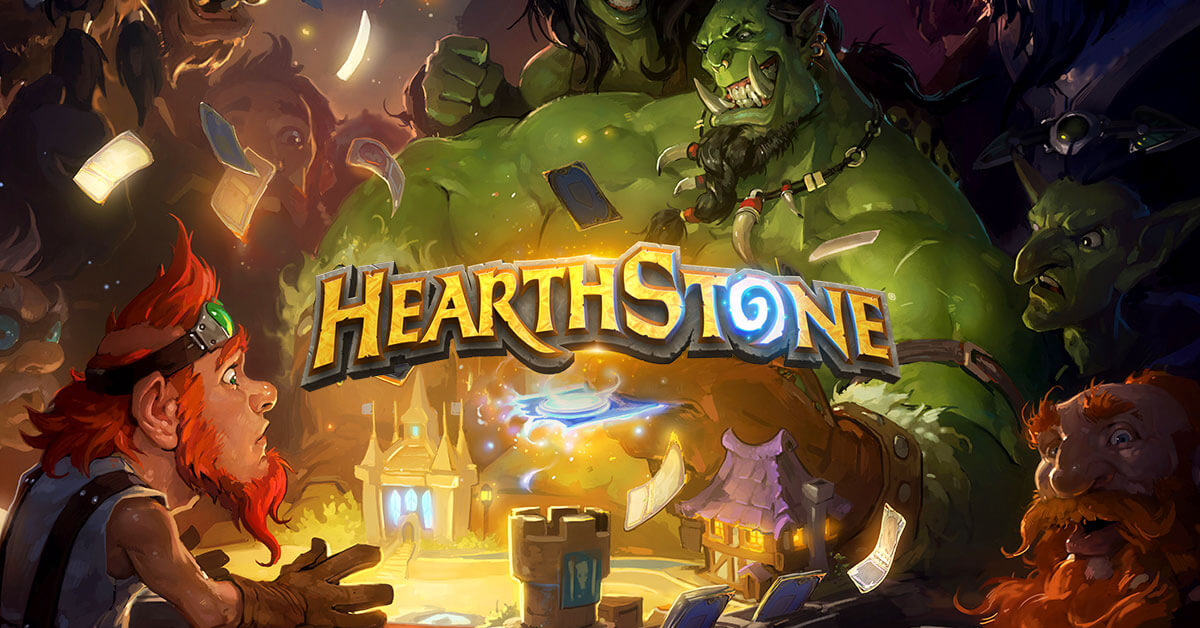
I remember when Hearthstone launched back in 2014. It was pitched as “Magic: The Gathering, but simpler.” Accessible. Digital-native. Something you could play in a browser without shuffling cardboard.
If you ask most Diablo players what went wrong with Diablo 3, they’ll point to the real-money auction house. And yeah, that was a disaster. But it wasn’t the root cause.