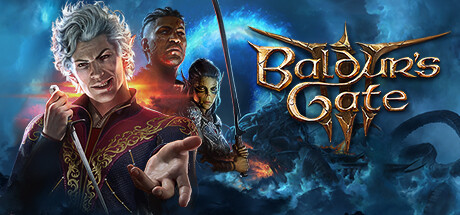
Baldur’s Gate 3’s Design Math: Why Every Choice Matters
The moment you realize Baldur’s Gate 3 operates on an entirely different design philosophy, you’re standing in the Druid Grove, deciding whether to kill a tiefling merchant.
The moment you realize Baldur’s Gate 3 operates on an entirely different design philosophy, you’re standing in the Druid Grove, deciding whether to kill a tiefling merchant.

CrossFire has millions of concurrent players. Almost none are in North America. That fact tells you everything about how the weapon economy works for price-sensitive markets.
In Counter-Strike, a few hundred dollars is the difference between an eco round and a buy round—and that number was chosen deliberately.
I’ll admit something that might get me kicked out of certain gaming circles: I spent dozens of hours tracking machine override data in a spreadsheet. Not because I had to, but because Guerrilla Games buried so much complexity.
Skill-based matchmaking in Call of Duty is the most hated feature in the franchise. It’s also the feature that keeps the game alive. The system works exactly as designed.
Fifteen years after release, Left 4 Dead 2 still has more daily players than most games released last month. Nobody can fully explain why.
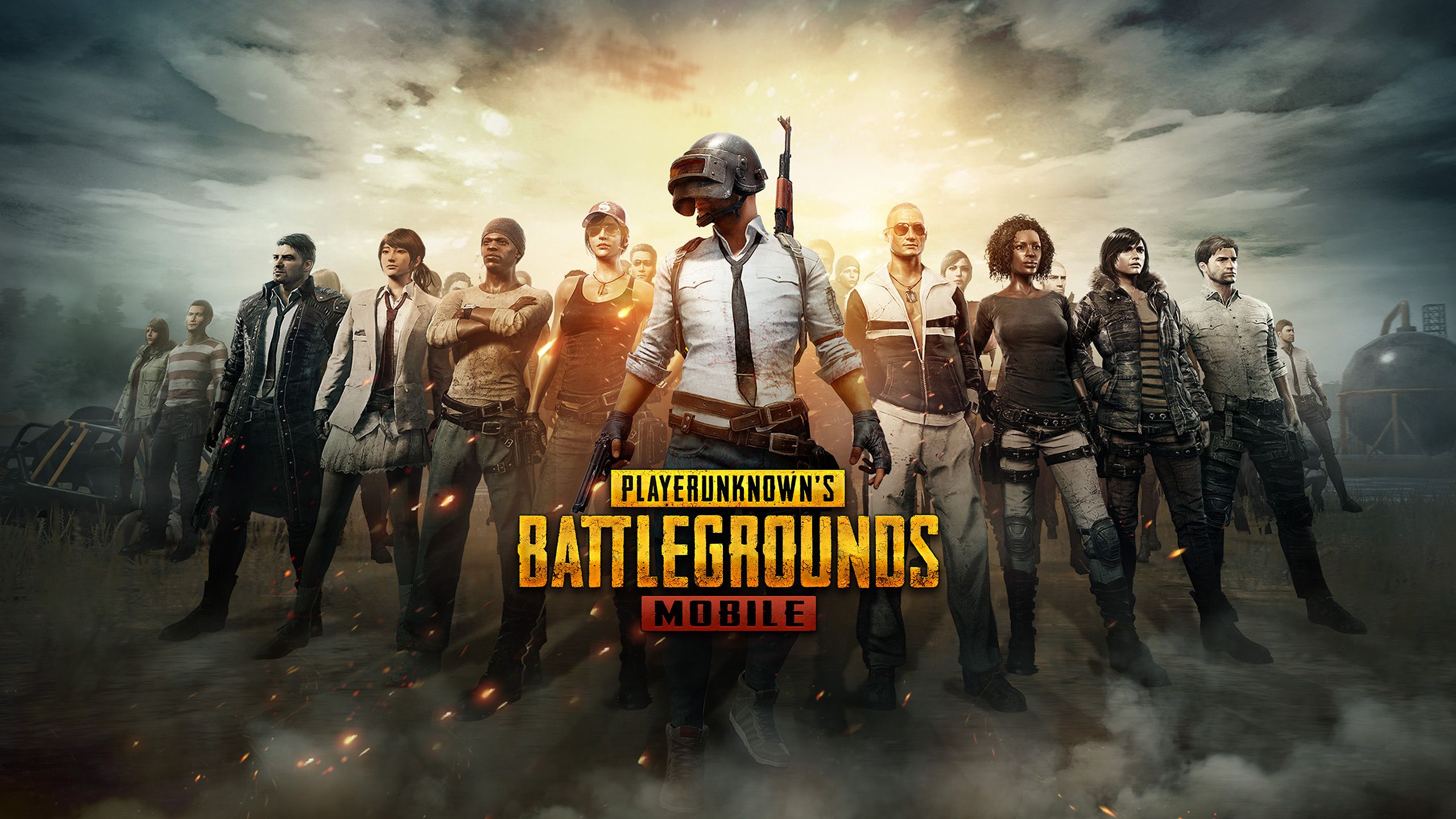
Every battle royale after PUBG added a gimmick. PUBG didn’t need any of that. The formula was there from the beginning: a circle, some loot, and the sound of footsteps behind you.
Plants vs. Zombies looks like a kids’ game. The sun economy proves otherwise. By the time a player understands why they lost, they’ve already decided to play again.

Look, I’m going to be honest with you—when I first saw Palworld’s trailer, my immediate reaction was “Nintendo’s lawyers are going to have a field day.” And they might still.
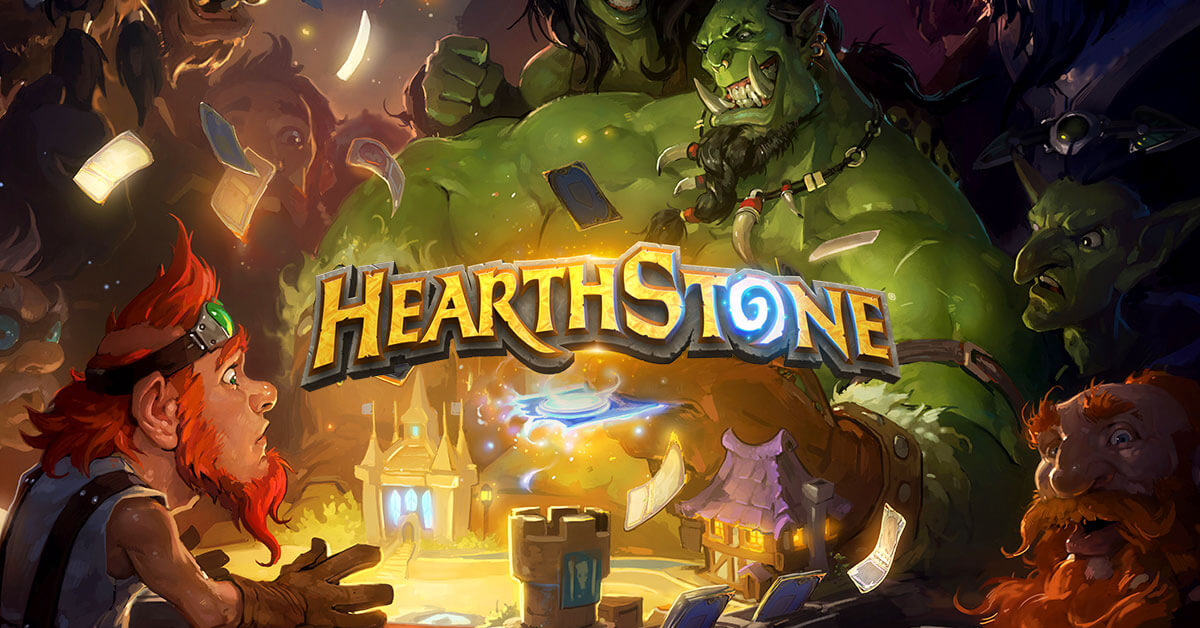
I remember when Hearthstone launched back in 2014. It was pitched as “Magic: The Gathering, but simpler.” Accessible. Digital-native. Something you could play in a browser without shuffling cardboard.